Check below the surface
The top can look dry while the root zone is still wet. Feel the soil a little below the surface where you can reach without damaging roots. Lift the pot and learn how its weight changes after watering. Use these clues together; decorative cachepots can hide standing water.
Match the check to the plant and room
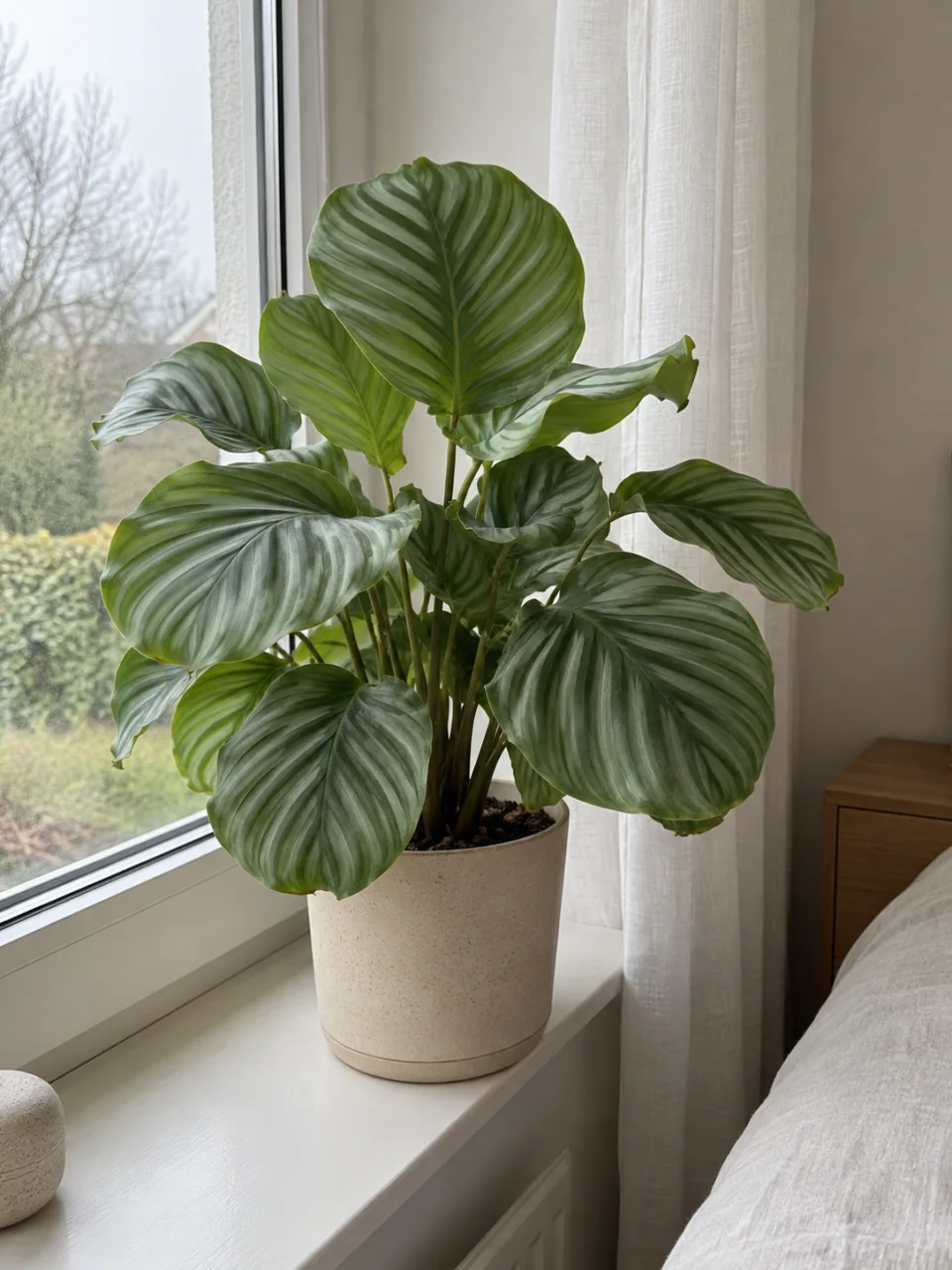
A cactus and a calathea need different drying intervals. Brighter light, active growth and a small porous pot can increase water use; cool rooms and low light often slow it down. If soil is still suitably moist, wait and check again rather than following a fixed weekly rule.
Water thoroughly, then drain
For a plant that is ready, water the soil evenly until excess drains through the holes. Let it drain and empty the saucer or outer pot. If very dry mix repels water, wet it gradually. A pot with no drainage makes it harder to avoid waterlogged roots.
Keep a useful record
Note the date, soil feel and any change in the plant. Next time, compare rather than assume the interval will be identical. Persistently wet soil, a sour smell or wilting despite wet roots calls for checking drainage and root health, not more water.
The reminder arrived, but the soil is still damp. What now?
If your plant needs drier soil, wait and check again in a few days. In a cool room or in winter, soil can take longer to dry. Check before watering rather than following the reminder automatically.